Upgrade Your Outdoor Area: Expert Garden Design Tips for a Gorgeous Home Landscape
Reshaping an exterior setting into a stunning residential landscape demands strategic design and intentional action. By assessing the specific features of a yard, homeowners can establish clear garden objectives. Selecting plants suited to the local climate is essential. In addition, adding functional landscape elements improves both beauty and functionality. Nonetheless, the journey doesn't conclude there. Discovering how to maintain environmental sustainability and vibrancy can boost any garden to the next level. What approaches produce successful lasting results?
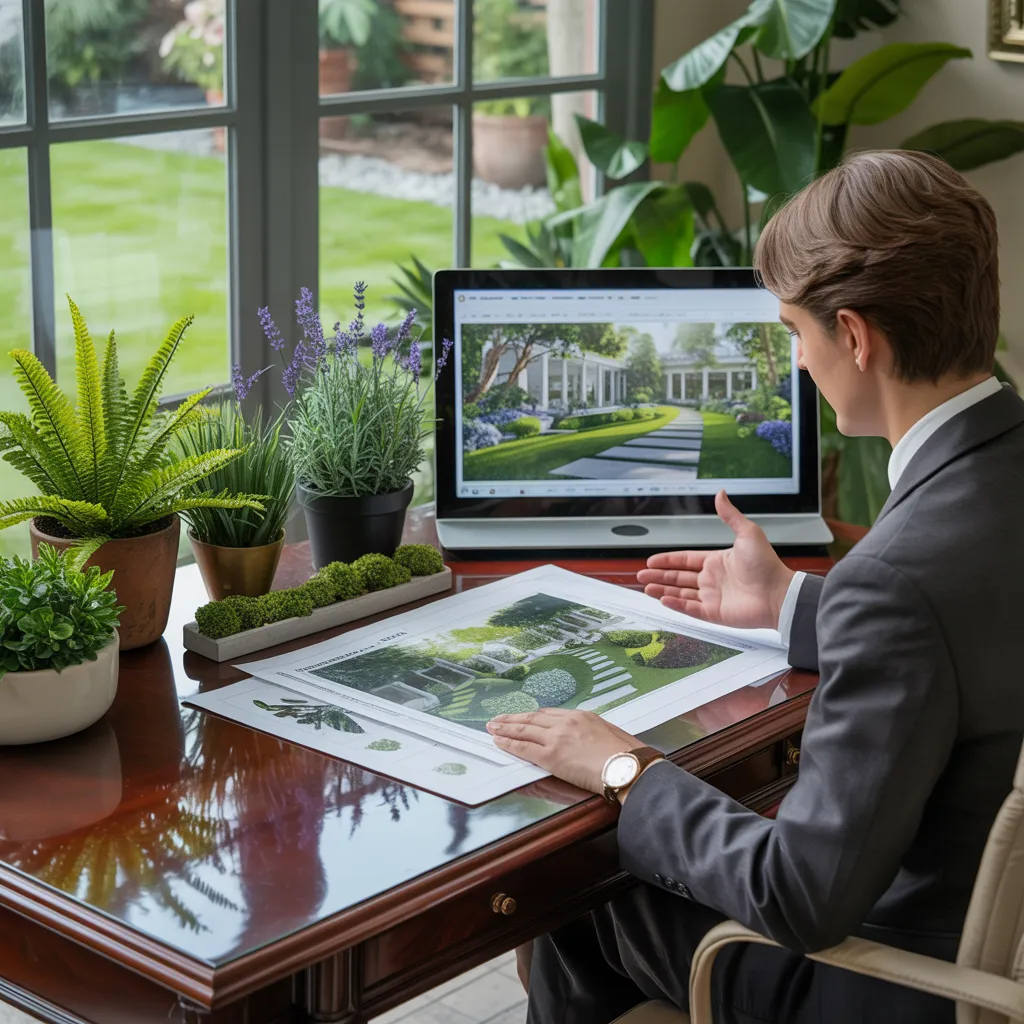
Examine Your Property to Determine Your Landscaping Objectives
Before commencing any garden renovation, it is essential for homeowners to completely assess their exterior setting. This initial evaluation enables them to understand the unique features of their yard, including sun conditions, soil composition, and existing vegetation. Identifying these elements supports in establishing which kinds of landscape features and design can be successfully integrated into the area.
Homeowners should take measurements and note any obstacles including vegetation, barriers, or pathways that could affect the layout. Additionally, recognizing individual tastes and lifestyle needs—including entertainment spaces, gardening, or relaxation—can guide the garden objectives. By specifically establishing these objectives, homeowners set a solid foundation for a unified and practical outdoor environment. This thoughtful assessment ultimately leads to a greater and more rewarding landscaping project, ensuring that the exterior environment not only enhances the property's appearance but also satisfies the practical needs of its inhabitants.
Choose the Right Vegetation for Your Regional Conditions
Selecting the right plants for a particular region is essential for creating a flourishing exterior environment. Understanding local weather patterns, such as heat levels, rainfall, and humidity, helps property owners choose plants that will flourish. Indigenous vegetation often adapt most effectively, requiring less upkeep and irrigation. For example, drought-resistant varieties are ideal for arid regions, while water-preferring plants thrive in moisture-rich environments.
Gardeners should also consider seasonal changes; choosing plants that provide year-round interest enhances the landscape. Spring-flowering plants, summer perennials, and vibrant fall foliage can create a striking visual display. Moreover, consulting local gardening centers or horticultural resources can provide valuable insights into hardy plant varieties adapted for particular environments.
Eventually, a strategically designed vegetation arrangement not only improves beauty but also supports local wildlife and advances ecological health, making it a wise choice for any exterior area renovation.
Enhance Your Garden With Structural Outdoor Design Elements
Functional hardscaping elements act as vital components in shaping exterior areas and maximizing their practicality. By adding seating zones and professionally planned walkways, homeowners can create welcoming outdoor settings that encourage relaxation and movement. Additionally, borders can help delineate different zones within the garden, adding structure and visual interest.
Define Your Exterior Space
Creating a strategically planned outdoor space can renovate a yard into an welcoming retreat. One effective approach to achieve this is through practical landscape features, which establish structure and arrangement. Pathways made from brick or stone guide visitors while boosting visual appeal. Retaining barriers can create terraced heights, enhancing the garden's overall design and preventing soil degradation. Fencing or trellises can establish boundaries, providing privacy and a sense of enclosure. Incorporating raised garden beds not only establishes growing zones but also improves user accessibility. These elements function in unison to form separate areas that improve both visual appeal and practical use. Ultimately, a well-organized outdoor space fosters a serene environment where homeowners can unwind and appreciate the outdoors.
Add Seating Zones
Incorporating seating areas into an outdoor space greatly enhances its usability and appeal. By adding practical hardscape features, homeowners can establish welcoming areas for relaxation, socializing, or enjoying nature. Choices range from benches, outdoor furniture, or hanging seats, each adding to the landscape's visual appeal and comfort. Strategically placing seating near key areas like garden displays or fountains, prompts visitors to interact with their surroundings. Additionally, selecting materials such as wood or stone can complement the garden's design, maintaining visual unity. Overhead coverings, such as arbors or parasols, offer relief during warmer months, ensuring these spaces are functional year-round. Ultimately, expertly crafted sitting zones convert a standard yard into a welcoming retreat for loved ones and guests.
Create Walkways And Borders
Borders and pathways function as important components in outdoor landscaping, directing explorers throughout the garden while reinforcing its design strength. They foster organization and flow, enabling the differentiation of distinct spaces and planting types. Brick, stone, or gravel options can create solid walkways, while borders derived from ornamental fencing or shrubs enhance decorative quality. Pathways can inspire discovery, showcasing areas like flower displays or water features. Well-maintained borders prevent weed encroachment and ground deterioration, promoting garden vigor. When combined, pathways and borders increase functionality while increasing aesthetic refinement of your garden, transforming spaces into more welcoming and pleasant environments.
Build Flow Using Walkways and Sitting Zones
A thoughtfully designed exterior area regularly showcases a cohesive circulation created through strategically arranged pathways and rest areas. Pathways lead people throughout the garden, developing a strong sense of navigation while improving the aesthetic appeal. Applying selections including gravel, stone, or wood can improve the path's beauty and support durability.
Seating zones supply stopping places, welcoming people to rest and savor the setting. Placing seating thoughtfully near key features, such as a pond or a garden bed, inspires connection with the landscape. The type of seating—stools, benches, or even recliners—may shape the feeling, whether it be informal or elegant.
Combining walkways and sitting spaces generates a warm environment, upgrading utility and contentment. In tandem, they construct a smooth flow between distinct areas of the garden, stimulating exploration and rest, ultimately reshaping any exterior setting into a calm escape.
Transform Your Garden With Seasonal Tones and Depth
To improve the aesthetic quality of a landscape, thoughtful choosing of seasonal varieties is critical. Combining various textural qualities can bring dimension and engagement, as well as carefully positioned highlights can capture attention and develop a unified composition. All these aspects combined assure a lively and engaging exterior environment all year long.
Pick Seasonal Plants Deliberately
Choosing seasonal plants thoughtfully can convert your garden into a stunning array of hues and forms. By selecting plants that bloom at different times throughout the year, gardeners can guarantee a continuous display of beauty. Spring bulbs, summer annuals, autumn perennials, and winter evergreens each add distinctive colors and shapes to the landscape. It is important to consider local climate conditions and soil types, as well as the plants' growth habits. Native species often perform better while needing less care, increasing ecological diversity. Additionally, mixing different plant sizes and flowering schedules can create a dynamic visual effect. Ultimately, mindful plant choices fosters a garden that evolves with the seasons, offering a delightful experience year-round.
Develop Layered Textures To Create Visual Depth
Generating garden depth involves layering textures that complement and enhance seasonal color. By combining various plants with diverse leaf configurations, scales, and palettes, one can achieve a visually dynamic landscape. For instance, combining full-leaved plants with thin-bladed grasses can produce visual contrast and allure. Additionally, integrating bark, stones, and other natural materials presents sensory features that strengthen the garden experience. Seasonal blooms should be strategically situated to provide bursts of color throughout the year, keeping every layer visually appealing. This thoughtful arrangement not only captures attention across the landscape but also builds an engaging setting where every detail contributes to the garden's beauty and harmony.
Add Focal Points Thoughtfully
Purposefully integrating visual centerpieces can remarkably boost a garden's aesthetic appeal and seasonal vibrancy. These focal center elements provide anchors that attract the gaze and foster landscape unity. Gardeners can apply elements such as sculptures, ornamental trees, or vibrant flower beds to spark visual interest. Seasonal color can be infused through the selective planting of plants with alternating bloom cycles, keeping the garden animated year-round. Textures also hold importance; combining smooth stone paths with rough bark or lush foliage establishes depth. By thoughtfully placing these elements, a gardener can create an inviting atmosphere that encourages exploration and appreciation, transforming an outdoor space into an engaging retreat.
Embrace Responsible Approaches to Nurture a Thriving Garden
Adopting green practices is imperative for growing a thriving garden that functions optimally in harmony with the surroundings. Growing experts are encouraged to apply local plant species, which require minimal irrigation and maintenance while bolstering area creatures. Adopting organic growing techniques, like composting processes and organic pest solutions, can significantly cut down on synthetic chemicals, creating a healthier ecosystem.
Moisture-conserving methods, including efficient water delivery and collecting rainwater, improve sustainability by maximizing resource management. Using mulch layers maintains soil water while also suppresses unwanted plants, lowering the necessity for weed killers. Additionally, promoting ecological diversity by integrating diverse plant species fosters durability to harmful organisms as well as diseases.
Soil quality is critical; techniques such as rotating crops and cover cropping keep nutrient balance excluding chemical fertilizers. By utilizing such eco-friendly practices, growing enthusiasts can develop a flourishing space that fosters vegetation and ecological balance, resulting in a more satisfying horticultural experience.
Address Standard Challenges to Preserve Year-Round Garden Aesthetics
A well-maintained planted area can face multiple problems throughout the year, altering its general appearance and health. Typical problems encompass pest issues, nutrient shortages, and inadequate water supply. Identifying pests early is important; horticulturists should frequently check vegetation for signs of damage along with treat infestations employing chemical-free pesticides or else incorporating beneficial insects.
Lacking minerals typically manifest as leaf yellowing as well as reduced growth. Performing soil examinations can allow identify individual necessities, permitting for focused fertilization Nutrient deficiencies frequently appear as discolored leaves along with reduced growth. Conducting soil analysis can help establish distinct needs, making possible precise nutrient application bringing back balance. Additionally, ensuring appropriate watering is essential; too much water can lead to root rot, whereas under-irrigation pressures vegetation.
Weather transitions furthermore demand changes to maintenance. In winter, applying mulch shields roots from frost, while summer could call for higher water needs plus shade protection for delicate plants. By tackling such common issues promptly
Should I Manage Landscaping on My Own or Engage a Landscaper?
You can easily undertake outdoor landscaping by yourself, making use of web-based guides and personal innovation. Yet, hiring a professional ensures expertise, speed, and improved output, particularly for complicated projects or bigger undertakings that need advanced techniques.
Which Items Are Required for Yard Landscaping?
Vital items for yard landscaping contain a standard rake, garden shovel, digging tool, trimming shears, garden fork, and a garden hose or water can. These tools assist find out more effectively maintain dirt, garden plants, and complete garden maintenance, providing effective landscaping
How Can I Adequately Keep My Garden Area Across the Growing Season?
To keep a garden flourishing across the seasons, regularly trim plants, spread mulch for temperature control, watch soil moisture, and establish seasonal planting methods. Also, insect control and nutrient application are vital for flourishing, vibrant plants.
Comments on “Trusted El Cajon Top Paver Installation for Outdoor Upgrades”